MT-BLC-MED01
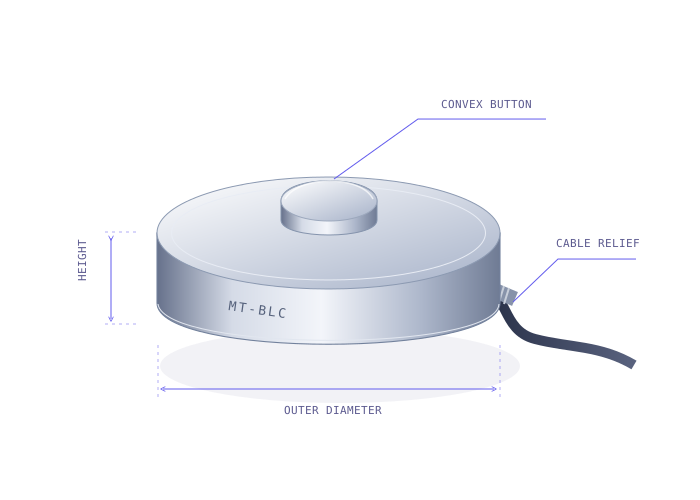
Medical OEM force sensors
Infusion pumps & medical device development
- Diameter
- OEM envelope review
- Capacity
- 5–100 N
Develop a force-based occlusion channel around the actual syringe or infusion mechanism, including friction, retention and low-power excitation.
Request a configuration review ↗| Outer diameter (OD) | Height (H) | Series / fit | Button radius | Capacity (N / kgf / lbf) |
|---|---|---|---|---|
| OEM envelope review | OEM envelope review | MT-BLC-MED ↗Infusion pumps & medical device development | Spherical; drawing-specific | 5 N / 0.51 kgf / 1.124 lbfto 100 N / 10.197 kgf / 22.481 lbf |
| Sensor selected separately | Module-specific | MT-AMP-KIT ↗Laboratory acquisition & PLC integration | Sensor-specific | Matched to selected sensor |
In a syringe pump, a first-order relationship is pressure = axial force / piston area. Plunger friction, drive friction, compliance and transient motion also contribute to the measured force. The alarm threshold must be validated with each supported syringe and operating condition.
Share available stack height, retention details, PCB keep-outs, bridge excitation, resistance and measurement duty cycle. A low-profile plastic or PCB force package and a machined metal load button can have very different load paths and electrical interfaces.
Define zero stability, lot variation, thermal cycles, overtravel, lifetime and the system alarm response. Identify the serial or lot record needed for your own device quality system. No finished-device approval or medical certification is implied by a sensor enquiry.
Infusion pumps & medical device development
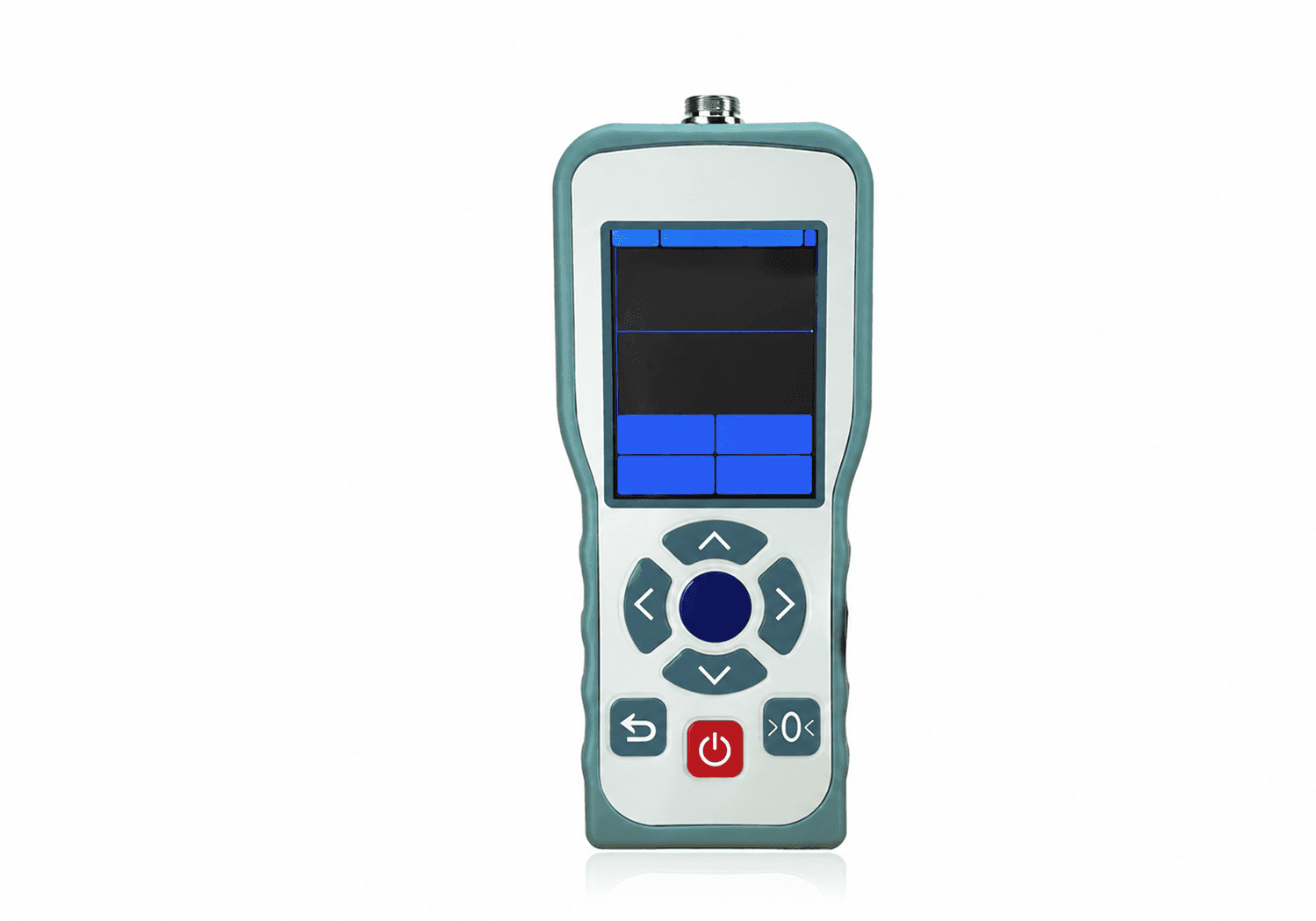
Laboratory acquisition & PLC integration
Need an application-specific answer?
Talk through your force path ↗
Include preload, normal compression peaks and credible overloads. Select a range that resolves the minimum force of interest while leaving mechanical margin, and add a fixture overload stop.
Kilograms describe mass. Use kgf when expressing force: 1 kgf = 9.80665 N. The tables show N, kgf and lbf together; dimensions and ratings remain model-specific.
Send the complete original model, drawing revision, capacity and electronics details. We review mechanical and electrical interfaces and agree a sample correlation test before compatibility is confirmed.
No. Cable, sensor body and amplifier ratings are separate. Request a +150°C or +200°C sensing configuration with the actual thermal conditions and agreed zero/span limits.
A bare mV/V bridge normally needs a compatible conditioner. Specify an MT-AMP-KIT with 0–10V, 4–20mA or an agreed RS485 interface, plus system calibration and force mapping.
Send OD × height, peak force and output. We’ll start with the fit.